Business Name: BeeHive Homes of Enchanted Hills
Address: 6336 Enchanted Hills Blvd NE, Rio Rancho, NM 87144
Phone: (505) 221-6400
BeeHive Homes of Enchanted Hills
BeeHive Homes of Enchanted Hills offers Assisted Living for your loved ones. 24x7 care in the comfort of a private room with bath. Meals are family style and cooked fresh each day. Stop by today and visit, and see why we always say "Welcome Home!
6336 Enchanted Hills Blvd NE, Rio Rancho, NM 87144
Business Hours
Monday thru Sunday: 9:00am to 5:00pm
Instagram: https://www.instagram.com/beehivehomesriorancho/
YouTube: https://www.youtube.com/@WelcomeHomeBeeHiveHomes
TikTok: https://www.tiktok.com/@beehivehomesriorancho
If you are looking after a parent who repeats the exact same questions, loses medications, or wanders outside during the night, you are not the only one. Family members often extend themselves thin attempting to maintain a liked one secure and sensible in your home while dementia quietly changes the rules. Selecting memory care is not a sign of failing. It is a decision to align support with truth. The hard component is identifying when that time has actually come, and exactly how to review alternatives without shedding on your own to stress.
I have actually sat with boys who bring in-depth spreadsheets to family conferences and daughters that show up with a plastic bag of pill containers since that is the best they can manage after work. I have actually seen moms and dads rally after a loss, and I have watched others decline gently but continuously despite a great home routine. Memory treatment can feel like a jump. It is typically a series of steps.

What memory care truly offers
Memory care is a specific type of senior care developed for individuals living with Alzheimer's condition or various other types of mental deterioration. Unlike standard Assisted Living, which concentrates on aid with tasks of day-to-day living like bathing, dressing, and meal assistance, memory care includes an organized setting, team trained in dementia habits, and safety and security features that decrease danger without over-restricting movement.
Good neighborhoods organize the day around predictable rhythms. That predictability decreases anxiousness. Doors are protected, however common areas really feel open and welcoming. Lights is warmer, hallways have aesthetic cues, and kitchen areas are kept an eye on yet obtainable for simple, supported jobs. A personnel may reroute a homeowner that becomes obsessed on "reaching work" by inviting them to fold towels. That is not busywork. It is a therapeutic treatment that maintains function and calms the worried system.
You will certainly also discover scientific oversight that reacts to the subtleties of dementia. Medication times are gotten used to behaviors, not simply clocks. Infections, a common trigger for abrupt confusion, are acknowledged earlier. Assistants find out everyone's background so they can connect with what still triggers pleasure. None of this removes the disease, but it can change everyday life.
The fork in the roadway: indications that home support is no longer enough
Most families start with home aid, modern technology, and careful routines. The oblique factor has a tendency to show up slowly, then simultaneously. It generally includes safety, caretaker exhaustion, or health complexity that surpasses what can be accurately managed at home.
- Frequent safety risks despite adjustments: duplicated wandering, leaving the oven on, opening doors to complete strangers, or forgetting to use a pedestrian after reminders. Caregiver burnout that does not respond to added help: chronic rest loss due to the fact that your moms and dad is up at night, missing job continuously, feeling constantly on guard even when aides are present. Escalating medical requirements connected to mental deterioration: weight management from neglecting to consume, dehydration, duplicated urinary system infections, multiple drops in a month, or new behaviors triggered by sundowning that placed a person at risk. Social isolation and withdrawal: a once-social moms and dad currently resists visitors, gets agitated at meals, or can not comply with conversations, bring about more seclusion and faster decline at home. Unreliable supervision: despite having rotating family members and paid caregivers, voids appear. An assistant calls out. You get embeded website traffic. Your moms and dad attempts to leave through the garage. A single case can be a wake-up call.
These are patterns, not judgments. A single wandering episode may be taken care of with door alarm systems and a general practitioners see. However when several of these show up simultaneously, and you find on your own fixing every week, memory care is worthy of a major look.
The day the oven tells the truth
Families frequently ask for a decisive minute. I consider Mr. R., a retired accountant who lived with his other half. He had actually been misplacing tricks and failing to remember words for years, yet he still played checkers with next-door neighbors. One afternoon he activated the gas for tea and obtained distracted by the busted lawn sprinklers. He left the pot empty on the fire. His wife discovered the kitchen area smoky yet not yet aflame. They were lucky.
They attempted a range lock, after that eliminated most knobs. He found a workaround. Their grown-up child raised gos to. Everyone got on side. After the 3rd near-miss, they moved him to a memory care area 5 miles away. He discovered the yard course, made buddies with a gentleman who had actually been a pilot, and started attending songs hour. The family's stress and anxiety went down, therefore did the unsafe incidents. This is not the end of the illness, however it is the start of much safer days.
Assisted living versus memory care: selecting the appropriate level
Some moms and dads land pleasantly in Assisted Living initially. They get assist with bathing, dressing, medicine tips, and dishes, and they enjoy the social schedule. The deciding variable between Assisted Living and Memory Care commonly lies in whether your moms and dad can self-initiate and browse securely in an open atmosphere. If they need constant cueing for essentials, get shed finding their apartment or condo, or have behavior patterns like departure looking for, memory treatment is the better environment.
Assisted living for a moms and dad can work well if they still follow prompts, join group tasks, and react to signage or staff suggestions. When assisted living those prompts no more stick, or as soon as confusion brings about dangerous habits, memory take care of parents places the focus where it needs to be: personnel preparing for requirements and a design that minimizes risks by default.
How to assess a memory care area past the brochure
Marketing products commonly look similar. What matters resides in the details. Visit twice if you can: when throughout a calm mid-morning window and once again late afternoon when sundowning habits commonly appear. Listen as high as you look.
- Watch the rhythm of the day. Do homeowners look involved, also in small methods, or is the television doing the hefty lifting? A good sign: personnel kneeling to eye level, utilizing names, and using options with gentle cues. Ask regarding staffing proportions by change and by skill. Proportions can range, however you must hear certain numbers and how they flex. Ask what takes place if two homeowners require toileting at the exact same time. Review training and turn over. How many hours of dementia-specific training do new hires obtain? What recurring training occurs quarterly? High turn over is a warning due to the fact that consistency constructs count on dementia care. Observe the eating experience. Are meals served in smaller sized, quieter dining rooms to decrease overstimulation? Do they use finger foods for citizens that struggle with tools? Hydration is vital, so search for water or flavored choices frequently offered. Check the treatment plan procedure. Exactly how do they discover your parent's background and preferences? That exists in treatment plan conferences, and just how typically are they arranged? Ask for an example of a behavior they efficiently redirected and how they determined success.
It is likewise reasonable to ask about area adjustment plans if treatment needs boost, exactly how they handle elopements, and whether they companion with hospice. You are searching for transparency and calm capability, not an ideal sales pitch.
Cost, contracts, and what households actually pay
The regular monthly price for memory treatment in the USA frequently falls between $4,500 and $8,500, though some markets run greater and backwoods occasionally reduced. Neighborhoods cost in various ways. Some use complete prices. Others utilize a base rate plus a factors system for care, which can enhance as requirements grow. Ask for a sample invoice that reflects a normal homeowner at your parent's likely treatment level.
Medicare does not pay for bed and board in Assisted Living or Memory Treatment. It might cover treatment, home health and wellness, or hospice solutions provided inside the area. Long-lasting treatment insurance coverage in some cases covers memory treatment if the plan consists of Assisted Living and the resident needs help with a defined variety of activities of day-to-day living. Veterans may receive Help and Participation benefits. Medicaid coverage is state-specific and a lot more limited, yet in some states a waiver program aids with memory treatment. If a neighborhood states they approve Medicaid later, clarify when and how that change takes place and whether your parent could need to relocate to a various wing or room.
Families normally ignore add-ons like incontinence supplies, transport to appointments, and beauty salon services. A modest price quote for additionals is $150 to $350 a month, more if there are regular medical sees. Construct that right into your plan.
The psychological terrain: sense of guilt, despair, and alleviation can coexist
Most caretakers bring an undetectable load of regret. The guarantee to "maintain Mommy at home" often comes from love, and also from a misconception of what waiting means. Postponing memory care until a dilemma occasionally brings about a hurried change, a harder adjustment, and less choices. Choosing memory care previously is not quiting. It is altering the establishing so that love is not consumed by logistics.
Expect pain to turn up in sensible moments. Sorting coats can really feel heavier than signing papers. It is fine to weep in the parking area after your first trip. It is also okay to really feel alleviation when your moms and dad clears up right into the brand-new regular and you sleep with the night for the first time in months. Those feelings can rest side by side without canceling each other out.
Preparing your parent, and on your own, for the move
The most effective changes I have actually seen include willful prep work. The tone originates from you. If you present the action as a failing, it will seem like one. If you present it as a thoughtful step to sustain wellness, it can land extra delicately, also if your parent does not completely recognize the reasons.
Pack the area with familiar things: a favored patchwork, the chair that fits their stance, mounted photos at eye degree, the exact brand of lotion they make use of. Tag clothes clearly. Bring their own cushion if it does not present a security problem. If your moms and dad has a morning regular including coffee and scripture songs, recreate it on day one.
Some families like to relocate while their moms and dad goes to a task or with a friend to avoid the tension of viewing unfamiliar people handle their possessions. Others entail their parent in tiny selections such as choosing the blanket. There is no solitary right way. If your moms and dad experiences paranoia, decreasing the moving-day mayhem commonly helps.
The initially 30 days: what regular looks like
Expect a change duration that may include agitation, wandering, or asking to go home. Personnel can anticipate this and will direct you on see timing. Some neighborhoods advise shorter, a lot more regular gos to early. If your existence seems to rise distress, think about going back for a few days while staff develop regimens and rapport. It can really feel counterproductive and hard. It can additionally work.

Eat a dish there. Notification which team member your moms and dad inclines. Share little wins with brother or sisters or close friends. An effective 20-minute activity is a win. A full evening's sleep is a win. The brain is relearning the landscape. Patience helps.
What great shows actually looks like
Activity schedules can be deceptive. The inquiry is not the amount of occasions are detailed, yet whether tasks match the cognitive degree of citizens at an offered hour. A good morning could include activity to songs, a tactile task like shelling peas, and a stroll in the garden. In the mid-day, when interest often tends to dip, much shorter, quieter engagements work much better: hand massage therapies with fragrant lotion, folding bed linens, or looking through travel books.
Look for choices embedded without frustrating. Instead of "Do you intend to sign up with yoga?" an employee could state, "I'm heading to extend course and conserved a seat by the home window for you." Cueing with function and knowledge beats flexible choices that can confuse.
The function you still play after the move
Memory care is not a handoff of love, just of logistics. Family members bring background that staff can not replicate. If you know your mom calms with the smell of cinnamon, tell the team. If your papa brightens at the sound of Sinatra, bring a playlist and a small speaker. Keep a note pad in the space with simple notes: "Mondays - she likes to put on heaven cardigan" or "if he rejects a shower, try after morning meal with warm towels."
Attend treatment strategy conferences. Ask about adjustments in wheelchair, sleep, and state of mind. Share what you see during brows through. If you see a pattern, such as increased frustration at sunset, ask what the group is trying. Partnership functions best when information streams both directions.
When actions intensify: medications, setting, and patience
Challenging habits are messages. Prior to jumping to medication, excellent groups initially look for discomfort, irregularity, infection, dehydration, and environmental reasons like sound or glow. They could change the seating setup at meals, change lighting, or offer an activity that matches the local's staying abilities.
Sometimes, targeted medications help. Low-dose antidepressants can minimize anxiety. Very carefully selected antipsychotics may be utilized short-term for severe hostility or psychosis, but they carry risks that need to be weighed carefully and reviewed frequently. Promote the tiniest effective dose, clear goals, and scheduled reassessment. Your visibility in that conversation matters.
Couples and challenging family members dynamics
If your parents are still with each other, separating them really feels unthinkable. Some communities provide safe and secure memory treatment along with typical Assisted Living so spouses can live on the same campus. That plan enables daily check outs without the 2 a.m. wandering threat. In other instances, both action right into the exact same neighborhood, one in memory care and the various other in Assisted Living or even independent living. The goal is to shield health and wellness while protecting connection.
Siblings hardly ever agree on timing. The local caretaker often pushes for a move while out-of-town siblings, who see Mother generally on holidays, withstand. Share purpose information: drop counts, emergency clinic visits, caregiver hours, costs. Welcome hesitant relative to scenic tour. If needed, include a neutral specialist like a senior citizen care supervisor. You do not need to bring every one of this alone.
Cultural preferences and faith practices
Memory treatment should not flatten identity. Ask exactly how the community respects dietary practices, language choices, and religious observances. Does the activity group consist of culturally appropriate songs and holidays? Are bilingual team offered, specifically at night and in the evening? This is not home window dressing. Acquainted culture can anchor an individual whose memory is changing.
Red flags that exceed the nicest décor
Some neighborhoods have lovely lobbies and underwhelming care. Depend on your senses.
- Staff appear hurried or avoid eye contact when locals require help. Strong pee or disinfectant scents continue hallways. Residents are parked in front of a television for hours with minimal interaction. Leadership dodges questions concerning staffing or rejects concerns. Your digestive tract says the energy is tense rather than calm.
If you regret, keep looking. The right fit is worth the added tour.
Planning ahead even if you are not all set today
If your parent is steady at home, begin scouting anyhow. Waitlists can be months long, particularly in high-demand communities. Exploring very early builds experience. It also decreases stress if a hospitalization increases decline, which happens regularly than people understand. You will certainly make much better selections when you are not in crisis mode.
Gather papers: power of attorney, development directives, medicine listings, insurance coverage, and a one-page individual history with favorite foods, leisure activities, past job, and member of the family. Make a digital folder you can show the community when the time comes.
A quick, useful checklist you can use this week
- Track security and health cases for one month: falls, straying, missed meds, or emergency room visits. Tour two to three memory treatment areas at various times of day, then contrast notes that evening while perceptions are fresh. Call your moms and dad's primary care carrier to review current medications and inquire about cognitive and state of mind adjustments you have actually observed. Price out expenses for home care versus memory look after a realistic comparison, including surprise extras. Identify a list and join a waitlist, also if your timeline is uncertain.
The procedure of a great decision
Families frequently ask me later, Did we wait also long? Did we move ahead of time? My response is usually the same. If safety threats kept growing, if your life narrowed to consistent guidance, and if your moms and dad currently gets regular, compassionate support, you landed near the correct time. The action is not excellence, however quality of life for both the moms and dad and the caregiver.
Assisted Living and Memory Care are tools, not verdicts. Used well, they prolong self-respect, reduce danger, and offer family members back the parts of their relationship that matter most. You will certainly still bring the tales, the songs, the touch on the shoulder that says I understand you. The area brings framework, scientific eyes, and the tranquil repetition that dementia needs. Together, that is usually exactly enough.
BeeHive Homes of Enchanted Hills provides assisted living care
BeeHive Homes of Enchanted Hills provides memory care services
BeeHive Homes of Enchanted Hills provides respite care services
BeeHive Homes of Enchanted Hills supports assistance with bathing and grooming
BeeHive Homes of Enchanted Hills offers private bedrooms with private bathrooms
BeeHive Homes of Enchanted Hills provides medication monitoring and documentation
BeeHive Homes of Enchanted Hills serves dietitian-approved meals
BeeHive Homes of Enchanted Hills provides housekeeping services
BeeHive Homes of Enchanted Hills provides laundry services
BeeHive Homes of Enchanted Hills offers community dining and social engagement activities
BeeHive Homes of Enchanted Hills features life enrichment activities
BeeHive Homes of Enchanted Hills supports personal care assistance during meals and daily routines
BeeHive Homes of Enchanted Hills promotes frequent physical and mental exercise opportunities
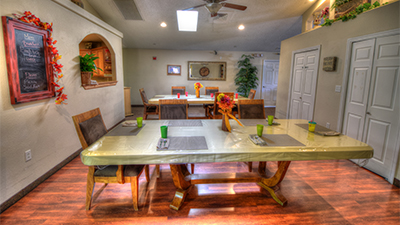
BeeHive Homes of Enchanted Hills provides a home-like residential environment
BeeHive Homes of Enchanted Hills creates customized care plans as residents’ needs change
BeeHive Homes of Enchanted Hills assesses individual resident care needs
BeeHive Homes of Enchanted Hills accepts private pay and long-term care insurance
BeeHive Homes of Enchanted Hills assists qualified veterans with Aid and Attendance benefits
BeeHive Homes of Enchanted Hills encourages meaningful resident-to-staff relationships
BeeHive Homes of Enchanted Hills delivers compassionate, attentive senior care focused on dignity and comfort
BeeHive Homes of Enchanted Hills has a phone number of (505) 221-6400
BeeHive Homes of Enchanted Hills has an address of 6336 Enchanted Hills Blvd NE, Rio Rancho, NM 87144
BeeHive Homes of Enchanted Hills has a website https://beehivehomes.com/locations/enchanted-hills/
BeeHive Homes of Enchanted Hills has Google Maps listing https://maps.app.goo.gl/5LqAWwumxTEeaW5p7
BeeHive Homes of Enchanted Hills has Instagram page https://www.instagram.com/beehivehomesriorancho/
BeeHive Homes of Enchanted Hills has an YouTube page https://www.youtube.com/@WelcomeHomeBeeHiveHomes
BeeHive Homes of Enchanted Hills won Top Assisted Living Homes 2025
BeeHive Homes of Enchanted Hills earned Best Customer Service Award 2024
BeeHive Homes of Enchanted Hills placed 1st for Senior Living Communities 2025
People Also Ask about BeeHive Homes of Enchanted Hills
What is BeeHive Homes of Enchanted Hills Living monthly room rate?
The rate depends on the level of care that is needed. We do a pre-admission evaluation for each resident to determine the level of care needed. The monthly rate is based on this evaluation. There are no hidden costs or fees
Can residents stay in BeeHive Homes until the end of their life?
Usually yes. There are exceptions, such as when there are safety issues with the resident, or they need 24 hour skilled nursing services
Do we have a nurse on staff?
No, but each BeeHive Home has a consulting Nurse available 24 – 7. if nursing services are needed, a doctor can order home health to come into the home
What are BeeHive Homes’ visiting hours?
Visiting hours are adjusted to accommodate the families and the resident’s needs… just not too early or too late
Do we have couple’s rooms available?
Yes, each home has rooms designed to accommodate couples. Please ask about the availability of these rooms
Where is BeeHive Homes of Enchanted Hills located?
BeeHive Homes of Enchanted Hills is conveniently located at 6336 Enchanted Hills Blvd NE, Rio Rancho, NM 87144. You can easily find directions on Google Maps or call at (505) 221-6400 Monday through Sunday 9:00am to 5:00pm
How can I contact BeeHive Homes of Enchanted Hills?
You can contact BeeHive Homes of Enchanted Hills by phone at: (505) 221-6400, visit their website at https://beehivehomes.com/locations/enchanted-hills/ or connect on social media via Instagram TikTok or YouTube
Residents may take a trip to Mountain view Park . Mountain view Park offers accessible paths and seating areas suitable for assisted living, memory care, senior care, elderly care, and respite care strolls.